
It was reported last week that 54 journalists have been killed while covering the war in Iraq. But there are less direct ways to kill a reporter, as is clear from the suicide yesterday of Gary Webb. In 1996, Webb wrote a series in the San Jose Mercury News on the connections between the CIA, the US-backed Nicaraguan contras, and the Crack Cocaine epidemic in Los Angeles. After the CIA denounced the series, Webb was transferred to a suburban beat and his once up and coming career soon lay in ruins.
Gary Webb’s 1996 series suggested that Nicaraguan drug traffickers sold crack cocaine on the streets of Los Angeles and sent the profits to US-backed Nicaraguan contras fighting to overthrow the democratically elected Sandinista government. While Webb did not say the CIA funded such activities, he suggested they knew the illegal trafficking was occurring and failed to stop it.
Webb’s allegations galvanized African-Americans throughout urban America. In Los Angeles, the chief area for the alleged crack sales, Congresswoman Maxine Waters held large meetings throughout her South-Central district. Her constituents expressed outrage that the US government would be collaborating with drug dealers who were destroying the Black community.
Webb’s investigations struck a chord in the African-American community because the crack cocaine epidemic came on so fast and was so destructive that many suspected that some sort of government plot was involved. Webb gave those believing in such a plot the handle they needed to aggressively promote their view.
The media response to Webb’s incendiary series was, in comparison to its handling of other powerful revelations, nothing short of shocking.
Remember how most of the mainstream media said they didn’t want to take sides over the allegations against John Kerry by the Swift Boat Veterans for Truth? Well, the media sure didn’t take that view when the CIA’s integrity was challenged.
The New York Times, Los Angeles Times, and Washing Post all did their own analysis of Webb’s series and found it wanting. The mainstream media spoke as one voice in concluding that Webb’s claim of CIA funding of crack cocaine sales on the streets of LA was pure nonsense.
But Webb had never made such bold claims, and the attacks on his series largely criticized the conclusions many readers drew, not what the reporter wrote. Webb’s strongest allegation was of CIA knowledge of the contra-crack connection; he did not claim, as many African-Americans and progressives did, that the contras got the money to buy the crack from the CIA.
Much was written in the alternative media about the media war on Gary Webb, and this line from the AP story on his suicide yesterday says it all:
An investigation by the Los Angeles Police Department found no evidence of
a connection between the CIA and the drug traffickers.
Case closed. If the LAPD says it didn’t happen, it didn’t happen. This is the same LAPD involved in the massive Ramparts scandal, involving police officers selling drugs and knowingly sending innocent people to prison.
Unfortunately, the railroading of Gary Webb had begun and he was run over. His own paper, the Mercury News, criticized the series in 1997 without providing many specifics. The feeling was that with other news outlets calling for Webb’s head, the paper’s credibility depended on their joining in on the attacks.
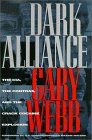
Rather than cover the suburban beat, Webb quit the paper in 1997. His 1999 book, “Dark Alliance: The CIA, the Contras and the Crack Cocaine Explosion,” expanded on his series but did not revive the issue.
The mainstream media and their allies in the national security state had won. Webb’s journalism career, which included his role as part of a reporting team that won a 1990 Pulitzer Prize, lay in shambles and could not be regained.
Webb worked in California state government until earlier this year. But as his ex-wife told the AP after his suicide, ” All he ever wanted to do was write.”
